
Apple iPhone Fold Rumours: What We Actually Know Right Now (2026 Update)
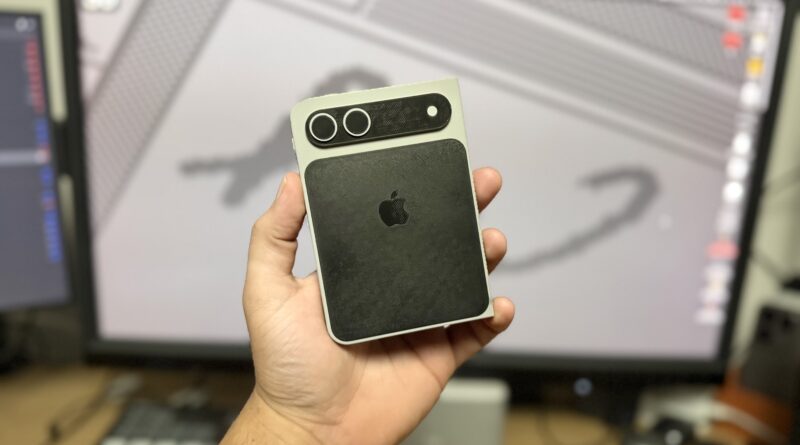
Apple’s first foldable iPhone, often referred to as the iPhone Fold (other rumours suggest Apple Ultra), is shaping up to be one of the most significant smartphone launches of 2026. After years of speculation, recent reports suggest that Apple’s plans for a foldable device are finally solidifying. Here is what the most credible rumours currently point to.
Launch Timeline – Late 2026
Recent reports indicate that Apple is preparing to launch its first foldable iPhone in late 2026, most likely as part of a premium-focused release cycle. According to industry sources, Apple may introduce its higher-end devices, including the foldable iPhone, in the second half of 2026, while pushing standard iPhone models to early 2027.
If this happens, it would represent a notable shift in Apple’s traditional launch strategy, allowing the company to focus attention and production capacity on its most advanced hardware.
Design and Display – Book-Style Foldable
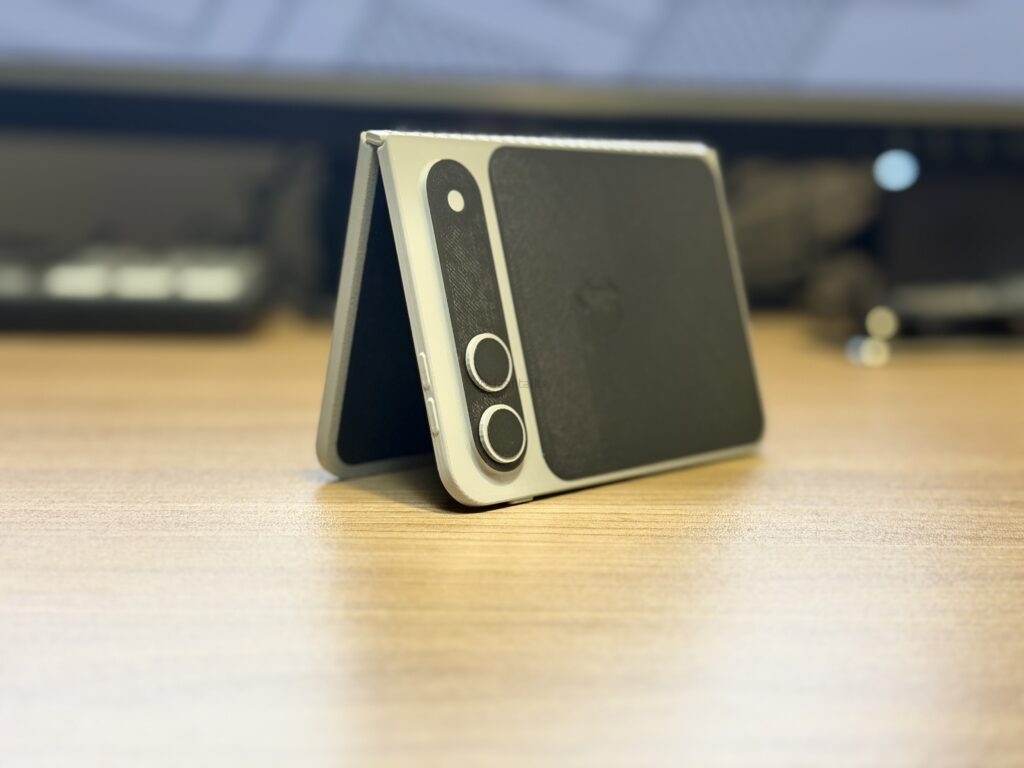
The iPhone Fold is widely expected to adopt a book-style foldable design, similar in concept to devices like Samsung’s Galaxy Z Fold series, rather than a flip-style phone.
Current rumours suggest the following display sizes:
- Inner display around 7.7 to 7.8 inches, offering a tablet-like experience when unfolded
- Outer display approximately 5.3 to 5.5 inches, designed to be usable like a standard smartphone
One of Apple’s primary design goals appears to be minimising the visible crease, a long-standing criticism of foldable phones. Reports indicate Apple is working closely with display suppliers to achieve a nearly crease-free panel, which could become one of the device’s key differentiators.
The wider aspect ratio being discussed also suggests Apple is prioritising usability over the tall, narrow form factors seen in some existing foldables.
Biometrics and Camera Setup
Due to internal space constraints and the complexities of a foldable design, Face ID may not be the primary biometric system on the iPhone Fold. Several reports suggest that Touch ID could return, potentially integrated into the power button.
Camera details remain limited, but current speculation points to:
- An under-display camera for the inner screen
- A visible front camera on the outer display
- A more restrained rear camera system compared to current iPhone Pro models
Apple is likely prioritising reliability and design consistency over pushing camera hardware to extremes in its first foldable.
Performance and Chipset
The foldable iPhone is expected to launch with Apple’s next-generation silicon, widely believed to be part of the A20-series chips. Built on an advanced manufacturing process, this chipset should deliver improvements in performance and power efficiency, which will be especially important given the larger displays and increased power demands of a foldable form factor.
Pricing Expectations
Unsurprisingly, the iPhone Fold is expected to sit at the very top of Apple’s pricing ladder. Analyst estimates currently place the device in the USD 2,000 to 2,500 range, positioning it alongside other ultra-premium foldable smartphones.
This pricing reflects the complexity of the hinge mechanism, advanced display technology, and Apple’s typically conservative approach to new product categories.
The Bottom Line
Based on current information, Apple appears to be preparing a carefully engineered entry into the foldable smartphone market, targeting late 2026 with a premium, book-style device. While many details are still subject to change, the focus on display quality, crease reduction, and long-term durability suggests Apple is aiming to launch a foldable only when it meets its internal standards.
As always, nothing is confirmed until Apple makes it official, but the momentum around the iPhone Fold now feels stronger than ever.